
New AC Cost in Cumming: What a 2,500 Sq Ft South Forsyth Home Actually Pays
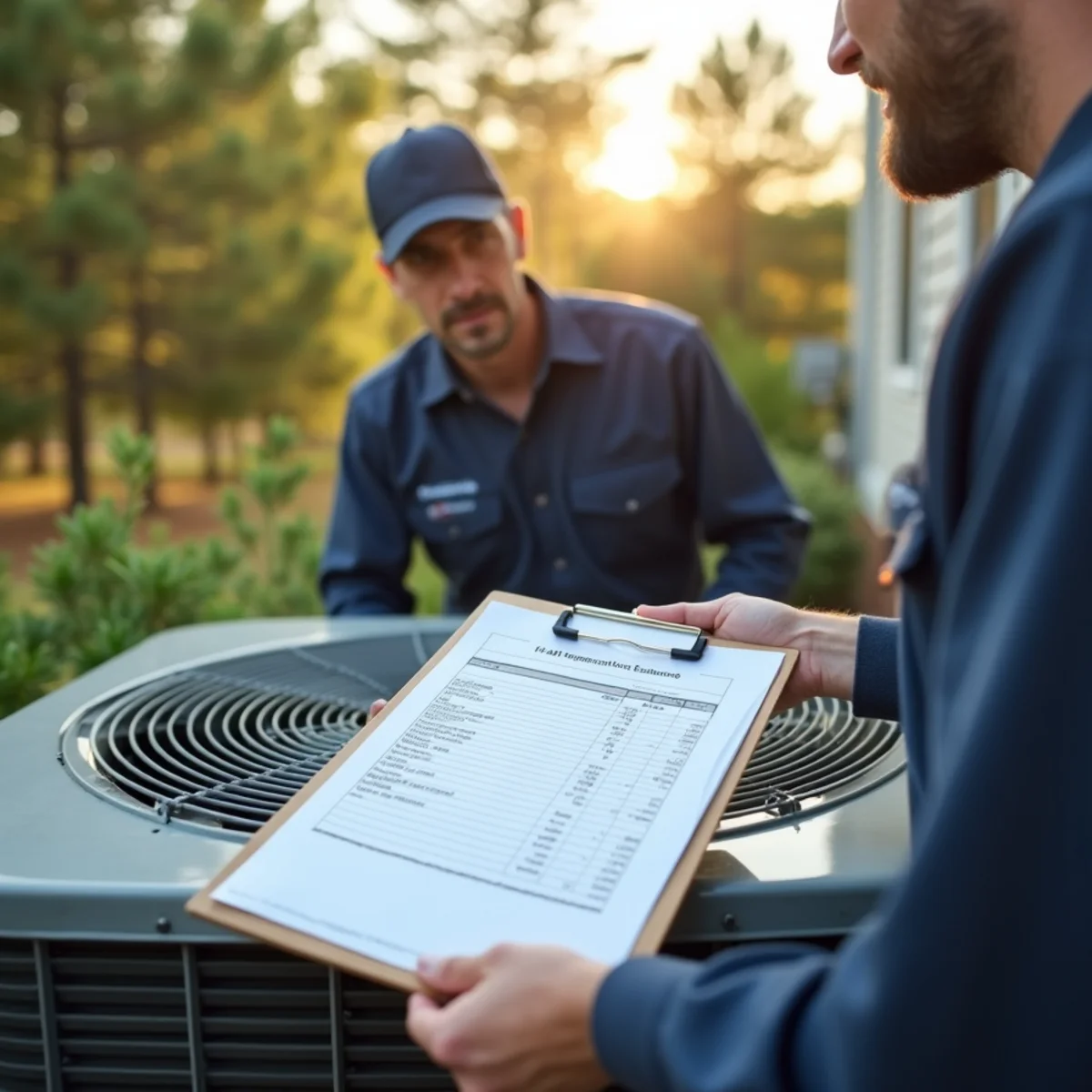
What does it actually cost to replace your HVAC system in a typical 2,500 sq ft Forsyth County home? We break down tonnage, SEER2 tiers, and real numbers.
Real-World Numbers for Typical North Georgia Homes
For a typical 2,500 square foot home in Cumming or South Forsyth (such as in Windermere, Sharon Springs, or Three Chimneys Farm), heating and cooling is typically handled either by a single large 4-to-5-ton zoned system or two separate 2.5-to-3-ton split systems.
A complete system replacement typically ranges from $5,800 to $13,500 per system, depending on efficiency tier, compressor technology, and duct transitions.
Cost Breakdown by Equipment Tier
Single-Stage 14.3–15.2 SEER2 Systems: $5,800 – $7,800 installed. Reliable, entry-level cooling that meets current building codes.
Two-Stage 16–17 SEER2 Systems: $7,800 – $10,500 installed. Runs at 70% capacity on mild days, extracting significantly more humidity.
Inverter Variable-Speed 18–20+ SEER2 Systems: $10,500 – $13,500+ installed. Whisper-quiet modulation, maximum energy savings, and ideal for large floor plans.
Understanding the Core Problem: New AC Cost in Cumming: What a 2,500 Sq Ft South Forsyth Home Actually Pays
In North Georgia's unique climate, heating and air conditioning systems face extreme operational demands. Forsyth County experiences intense summer heat waves where July and August temperatures routinely climb past 90°F with relative humidity exceeding 80%, alongside sudden winter freezes that drop temperatures well below freezing. When your HVAC system encounters issues, understanding the underlying mechanical and environmental factors is essential for making informed, cost-effective decisions.
Many homeowners in Cumming, Vickery, Windermere, and surrounding Lake Lanier neighborhoods experience accelerated component wear due to the combination of heavy spring pine pollen, high ambient humidity, and prolonged daily runtimes. Addressing these challenges requires a methodical diagnostic approach rather than quick temporary fixes.
- Heavy summer cooling loads requiring continuous compressor and fan motor operation for up to 16 hours daily.
- North Georgia pine pollen infiltration clogging outdoor condenser fins and restricting vital heat rejection.
- Attic temperature extremes reaching 130°F to 140°F, placing extreme thermal stress on flexible ductwork and evaporator coils.
- Winter freeze snaps demanding reliable auxiliary heat staging and prompt ignition sequence response.
Step-by-Step Diagnostic & Troubleshooting Protocol
Before calling for professional emergency service, there are several safe, non-invasive checks every homeowner can perform to isolate the issue. Always begin by verifying your thermostat settings and ensuring the display is actively calling for cooling or heating.
Check your primary air filter at the return grille or furnace cabinet. A filter packed with Georgia pine pollen or household dust restricts airflow across the evaporator coil, causing indoor coils to freeze into a solid block of ice during summer or triggering high-limit safety switches that shut down your furnace in winter.
Inspect the electrical breaker panel and the outdoor disconnect box located near your condensing unit. Tripped breakers or blown fuses can occur during summer electrical storms or power grid fluctuations along the GA-400 corridor. If the breaker trips again immediately after resetting, do not reset it a second time—this indicates a direct electrical short or locked compressor rotor that requires certified diagnostic tools.
When to Call a Licensed Georgia HVAC Contractor
While routine maintenance and filter changes can be managed by homeowners, complex mechanical, electrical, and refrigeration repairs must be performed by state-licensed technicians. In the state of Georgia, conditioned air contractors must hold a Class I or Class II license issued by the State Licensing Board for Conditioned Air Contractors.
At HVAC Cumming GA, our technicians hold Georgia License #CN210599 (Class II Non-Restricted) and EPA Section 608 Universal Certifications. We arrive in fully equipped service vehicles with digital manifold gauges, thermal imaging cameras, electrical multimeters, and OEM replacement parts to diagnose and resolve failures on our first visit.
If you observe any of the following symptoms, shut your system down at the thermostat and contact our 24/7 dispatch team immediately: electrical burning odors, active water leaking through ceilings from backed-up attic drain pans, hissing sounds indicating high-pressure refrigerant leaks, or total loss of heating during sub-freezing weather.
- Average emergency response window of 60 to 90 minutes throughout Cumming and Forsyth County.
- 100% upfront flat-rate pricing with written quotes before any work begins—no surprise overtime fees.
- Comprehensive combustion analysis and carbon monoxide safety verification on all heating service calls.
- Full 1-year labor warranty and manufacturer parts warranties on all installed components.
Long-Term Prevention, Energy Efficiency & Cost Savings
Preventing unexpected HVAC breakdowns begins with regular seasonal maintenance. Enrolling in a bi-annual service plan—featuring a precision 21-point cooling tune-up in spring and a comprehensive heating safety inspection in autumn—reduces breakdown risks by up to 85% and lowers monthly utility bills by 15% to 25%.
Homeowners can also maximize system efficiency by installing smart communicating thermostats (such as ecobee or Google Nest) with remote room sensors to balance second-floor temperatures, sealing leaky attic ductwork under ACCA Manual D standards, and maintaining a 2-foot clear perimeter around outdoor condensing units to ensure unrestricted airflow.
When equipment reaches 12 to 15 years of age and major components begin to fail, replacing the system with a modern high-efficiency heat pump or 15.2+ SEER2 air conditioner often delivers substantial long-term savings through lower electric bills, federal Section 25C energy tax credits up to $2,000, and local utility rebates.
Expert Contractor Insights from HVAC Cumming GA
Every home in Forsyth County presents distinct climate and construction demands—from high summer humidity near Lake Lanier to attic heat buildup in multi-story suburban homes. As Georgia Class II Conditioned Air Contractors (Lic #CN210599) and EPA Section 608 Universal Certified specialists, our recommendations are grounded in ACCA Manual J thermal load calculations and decades of hands-on North Georgia experience.
State License #CN210599 (Class II Non-Restricted) & EPA Section 608 Universal.
Stationed at 1100 Turner Rd in Cumming for rapid emergency service.
Frequently Asked Questions
Common searcher questions about this topic in Cumming, GA
Need Expert Heating or Cooling Assistance in Cumming, GA?
Speak directly with our local HVAC dispatch team at 1100 Turner Rd. Fast 60–90 minute arrival across Forsyth County, upfront flat-rate pricing, and guaranteed workmanship.